
Screens and concentration: finding the right balance
Online school goes through a screen — that does not mean whole days in front of one. Screen as tool, screen as consumption, work on paper: clear rules that protect concentration.
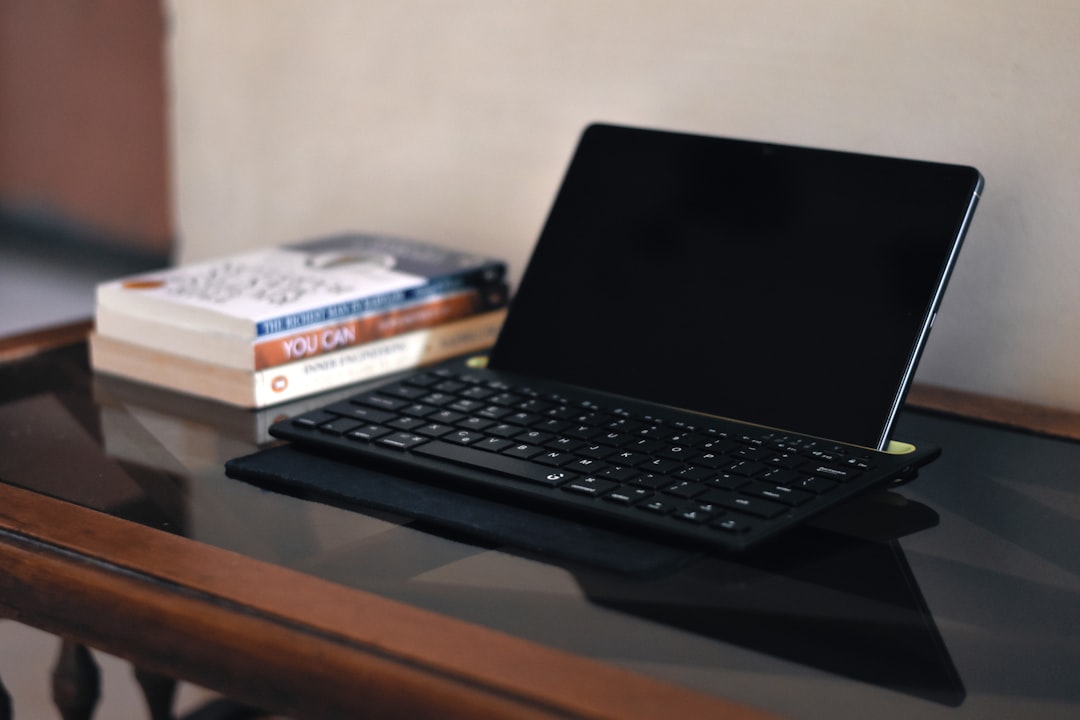
It is the objection we hear most often: an online school means even more screen time. The question is a fair one, and it deserves an honest answer rather than a slogan. Yes, lessons go through a screen. No, that does not condemn your child to whole days in front of one.
Screen as tool, screen as consumption: the distinction that changes everything
An hour of live lessons with a teacher who questions, corrects and draws students in has nothing in common with an hour of videos strung together by an algorithm. In the first, the child is active: listening, answering, writing, getting it wrong, starting again. In the second, they take in a stream designed to capture their attention and never give it back.
It is not screen time that damages concentration — it is the kind of use. A child can follow three hours of online class a day and keep an excellent capacity for attention, provided the rest of their relationship with screens is kept in hand.
Paper keeps a central place
With us, the screen delivers the lesson; the work itself is largely done on paper. Taking notes by hand, setting out a calculation, writing, drawing a figure: the hand engages memory differently from the keyboard. It is also a breathing space — the eyes leave the screen, the posture changes, attention starts again.
- One exercise book per subject, kept as it would be in class.
- Practice exercises done by hand before any marking on screen.
- Evening reading from a book, never from a tablet.
Clear rules outside the classroom
It is not online lessons that tire children out. It is what happens on screens after the lessons.
A few simple rules, held to without daily negotiation, are enough to protect concentration:
- No screens for entertainment before the school day is over. Lessons first, entertainment after — the rule is simple to understand, and therefore simple to keep.
- Screens sleep outside the bedroom. Sleep is the first fuel of attention and memory.
- A real screen-free stretch every day: sport, free play, helping at home, going out. Boredom itself has value — it is where invented games and spontaneous reading come from.
What really counts
It is not the strict number of screen hours that makes the difference, but the clarity of the line between the screen that serves and the screen that distracts. Once that line is drawn, online class becomes what it should be: a tool in the service of learning, within a day that stays balanced.